Walking into a Gold Coast RSL on a Saturday arvo, you can hear the low hum of pokie rooms the moment you cut through the bar. Most machines up in the gaming lounge run the same jewel-and-arcade aesthetic, and the ask at the counter is always the same: can a punter genuinely score a win on Starburst-style pokies in AUD, or is the whole format dressed-up luck? After spending years picking apart wagering markets and bonus economics, I treat the question the way I’d treat a quarterly revenue review: data first, hype last. The honest answer is that the format gives players a clean, low-variance base game with stacked wilds, expanding symbols, and a clear ceiling on most bonus rounds. You won’t catch me promising anyone a payout, but I will say the maths in these games is transparent, and transparent maths is what a serious player actually wants.
What Starburst-Style Pokies Actually Look Like in 2025
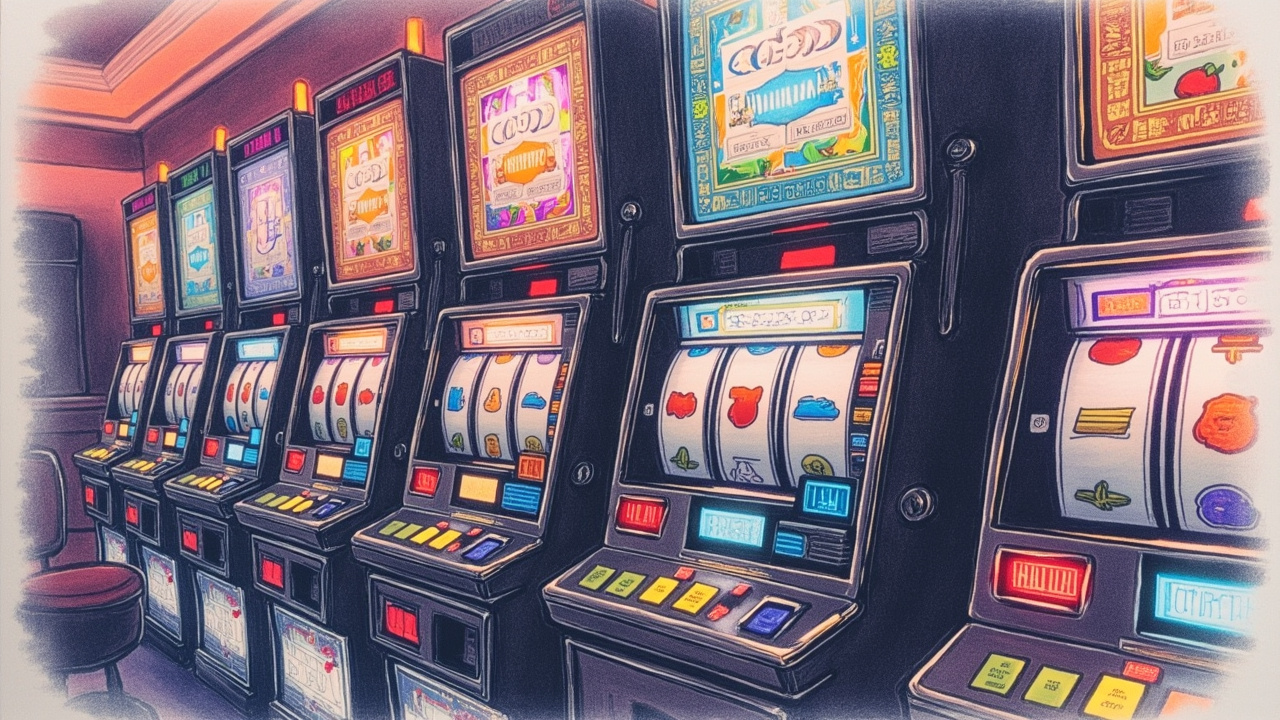
The first thing I’d flag to anyone mapping the category is that the Starburst template has been cloned, refined, and re-skinned by studios like NetEnt, Pragmatic Play, and Push Gaming, but the bones are the same. You get a five-reel, ten-payline grid, low-to-medium volatility, and a top single-line payout that rarely tops 1,000x. The signature mechanic is the expanding wild that locks in place and triggers a respin, sometimes with a chain of three respins if more wilds land. From a strategy lens, that’s a deliberate design choice: short bonus loops, frequent small returns, and very little dead-spin fatigue. Players chasing a real win on Starburst-style pokies in AUD aren’t hoping for a jackpot that requires a 1-in-10-million hit; they’re banking on consistency, the kind of return curve where you might collect 20-30 small to medium hits in a session and still walk away up. In my old commercial work, I’d call that predictable engagement, and that’s exactly what keeps this format slotted in across so many lobbies.
| Feature | Typical Spec |
|---|---|
| Reels / Paylines | 5 reels, 10 fixed lines |
| Volatility | Low to medium |
| RTP range | 96.0% – 96.5% |
| Min/Max bet (AUD) | $0.10 – $100 |
| Signature bonus | Expanding wild with respins |
| Mobile | Browser + native app |
A Walkthrough of the Real Player Journey
Finding the game and sizing your bankroll
The experience starts well before the first spin. A punter opens a browser, scrolls the slots lobby, and filters by “Cluster Pays” or “Low Volatility,” which is where most Starburst-style titles sit. From there, the smart move is to set a session bankroll in AUD first, then pick a denomination that lets you run 200-300 spins. If you’re playing on a regulated site that accepts AstroPay, the deposit usually clears in under a minute and you can size your stake without juggling currency conversion. I’ve watched gaming operators lose players in the first ten minutes because the cashier flow was clunky, so a smooth AUD-native deposit is genuinely a competitive edge, and brands that get it right stand out fast.
Reading the bonus mechanics before you commit
This is the part most casual players skip, and it’s the part that decides whether a session ends in profit or frustration. In every Starburst-style variant I look at, I check three numbers: the base hit rate, the average bonus trigger frequency, and the maximum payout cap. A good rule of thumb is to avoid any clone where the max win is below 500x because the math gets tight over a long session. The real sweet spot sits around 1,000x to 2,000x, with frequent expanding wilds and a respin chain that can stretch to three or four. I’ve seen boards where a player triggered the respin loop, landed two extra wilds, and walked away with a 380x return on a $1 bet, which is the kind of outcome that makes the format genuinely compelling for someone who plans their stake properly. If you’re starting out, it’s worth browsing a curated pokies directory that lists the highest-RTP Starburst-style titles available to Australian players and ranks them by volatility and max exposure.
Managing the session and cashing out
Once you’re in the spin loop, the discipline is simple: stick to flat staking, lock in any win above 50x stake, and stop at a hard session cap. I treat sessions like meetings, time-boxed and outcome-defined, because the moment you start chasing, the house edge compounds. When the cashout button comes up, an AUD-native withdrawal to the same method you deposited with is the cleanest path, and it usually settles inside 24 hours on the better-regulated platforms. If anything drags past 72 hours, that’s a red flag worth flagging in a community review.
What Aussie Players Actually Need From the Format
Punters on the Gold Coast and across Queensland aren’t asking for novelty. They’re asking for transparent maths, fast AUD settlement, and a game that respects a modest bankroll. A Starburst-style pokie does all three when it’s run by a studio that hasn’t gouged the RTP or buried the bonus behind a feature buy. From my commercial work across gaming and sports rights deals, I know the products that survive aren’t the flashiest, they’re the ones that keep a player coming back because the experience felt fair. That’s the lens I’d use: fair math, fast cashier, clean mobile, and a brand that publishes its licence and game providers without you having to dig. Miss any of those four, and a slick theme won’t save the offer.
The verdict: a Starburst-style pokie in AUD is one of the few formats where the player can actually model the expected session return before sitting down, and that predictability is the real win. Pick a clone with at least 96% RTP, bankroll for 200+ spins, and you’ll give yourself a fair crack without the marketing fog.